Step-by-Step GxP Validation Process Guide for Pharma Sites
GxP Validation Process: Key Phases
Phase 1: URS. Phase 2: Risk Assessment. Phase 3: IQ/OQ/PQ.
In the regulated life sciences and pharmaceutical sectors, proving that systems consistently perform to predetermined specifications is a strict legal requirement. The structured GxP validation process represents the lifecycle method used to establish this documented evidence of control. Whether validating a cleanroom HVAC system, a tablet press machine, or a complex Enterprise Resource Planning (ERP) database, following a systematic, step-by-step pathway is essential to prevent regulatory findings and guarantee patient safety.
This guide details the standard phases of the validation lifecycle. Aligning with regulatory standards such as FDA 21 CFR, EU GMP, and GAMP 5 principles, we walk through each step from requirements gathering to ongoing system maintenance.
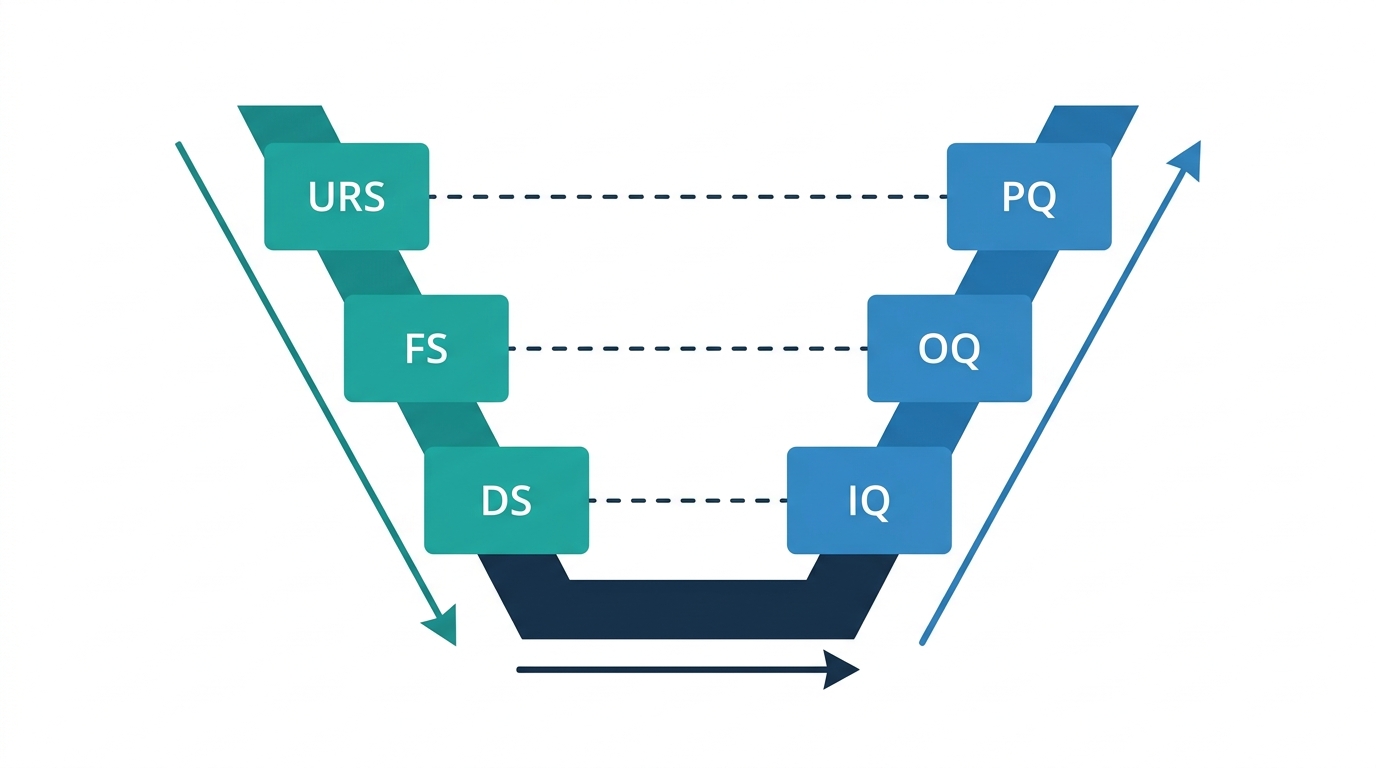
The Core Concept: The Validation V-Model
Before diving into the individual steps, it is helpful to visualize the validation process using the classic V-Model. The V-Model links specification documents on the left side of the "V" to matching testing phases on the right side.
   User Requirements (URS) ---------------------> Performance Qualification (PQ)
     \                                                /
      Functional Specifications (FS) ------------> Operational Qualification (OQ)
        \                                            /
         Design Specifications (DS) -------------> Installation Qualification (IQ)
           \                                      /
            ----- Build & Software Integration ---
This model ensures that every test executed during the qualification phase directly verifies a requirement defined during the specification phase, maintaining complete traceability throughout the GxP validation process.
To prepare your teams for audits and map out daily compliance actions, consult our detailed Ultimate GxP Compliance Checklist for Pharmaceutical Sites.
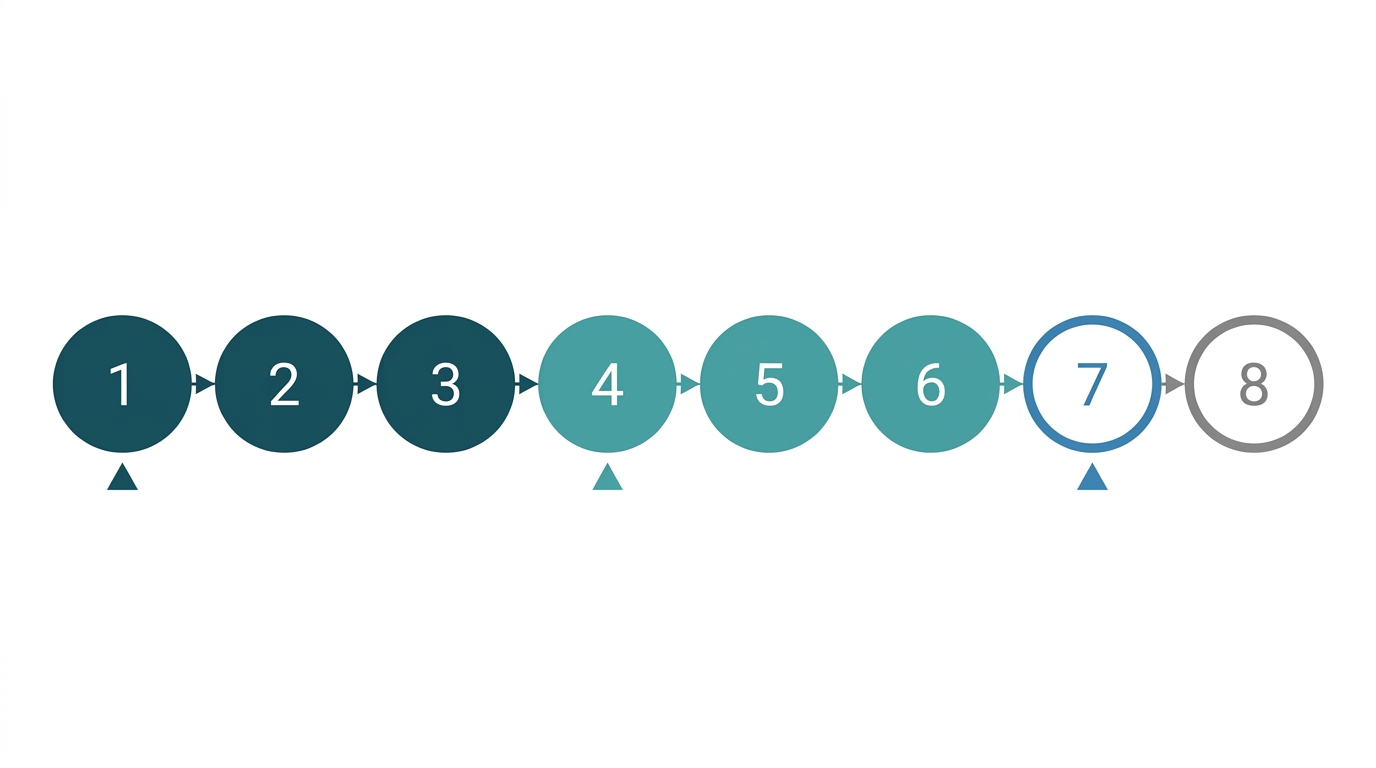
The 8 Key Steps of the GxP Validation Process
Below is the step-by-step sequence required to implement a robust GxP validation framework.
1. User Requirement Specifications (URS)
The URS is the most critical document in the validation project. It is authored by the business process owners and defines exactly what the system needs to do, who will use it, and what regulatory standards it must satisfy. - Regulatory Guardrails: All requirements should be uniquely numbered to facilitate traceability (e.g., URS-001, URS-002). - Testability: Every requirement in the URS must be measurable and testable. Avoid vague phrases such as "the system must load pages quickly" and replace them with "the system must render dashboards in under 3.0 seconds."
2. Validation Plan (VP) & Risk Assessment (RA)
Once the requirements are set, the validation team creates the Validation Plan. The VP defines the project scope, the qualification strategy, resource roles, and the criteria for acceptable completion. - Risk-Based Quality: During this step, the team performs a formal Risk Assessment (often using Failure Mode and Effects Analysis - FMEA) to identify which functions have a direct impact on product quality, data integrity, or patient safety. - Scoping Controls: Functions flagged as high-risk require thorough testing during IQ/OQ/PQ. Low-risk items can rely on standard vendor checks, preventing unnecessary validation paperwork.
3. Design Qualification (DQ)
DQ provides documented evidence that the proposed design of the equipment or system is fully capable of meeting all requirements listed in the URS. - Vendor Review: During DQ, the engineering team evaluates vendor-supplied drawings, software architectures, piping layouts, and electrical schematics against the URS. - Gap Closure: Any gaps identified between the design and the requirements must be resolved and documented before the physical system is fabricated or purchased.
4. Installation Qualification (IQ)
IQ verifies that the system has been delivered, installed, and configured in accordance with the approved Design Qualification documents and manufacturer recommendations. - Physical Checks: The IQ protocol details tests verifying model numbers, electrical supply connections, sensor calibration certificates, cleanroom environment cleanliness, and backup battery units. - Software Configurations: For computer systems, IQ checks software installation folders, registry settings, communication link configurations, and database connection paths.
5. Operational Qualification (OQ)
OQ tests the system's operational parameters to confirm it performs as intended throughout all anticipated operating ranges, including worst-case scenarios. - Boundary Testing: Tests are conducted at upper and lower operating limits (e.g., verifying that a heating jacket alerts operators when temperatures cross safety parameters). - Security & Alerts: OQ verifies password policies, role-based authorization levels, audit trail triggers, alarm configurations, and emergency shutdown routines.
6. Performance Qualification (PQ)
PQ demonstrates that the system consistently performs under load, using actual product or realistic placebo materials over a prolonged operating period. - Consistency Verification: Unlike OQ, which checks individual functions, PQ evaluates the entire system under normal production conditions. Typically, PQ requires executing at least 3 consecutive successful runs or batches. - Environmental Controls: PQ checks that facility HVAC systems maintain stable temperature and humidity limits while operators and machinery are actively working.
7. Validation Summary Report (VSR)
At the end of testing, the validation lead compiles the Validation Summary Report. The VSR acts as the formal closeout document for the project. - Outcome Assessment: The report reviews the executed tests, summaries the qualification data, and details any validation deviations encountered during testing. - Deviation Resolution: All deviations must be either fully resolved or accepted with a documented risk justification before QA signs the VSR. Once signed, the system is formally released to production.
8. Continuous Verification & Change Control
Validation is not a static milestone. Once a system is live, it must be maintained in a validated state through continuous verification, calibration, and strict change control. - Periodic Audits: Regularly evaluate the system's performance, deviation trends, and maintenance history to ensure it continues to operate as intended. - Impact Analysis: Any modifications to software or hardware must be logged via change control. The system owner determines if re-qualification (such as regression testing) is required to maintain validation.
Establishing Traceability (The Traceability Matrix)
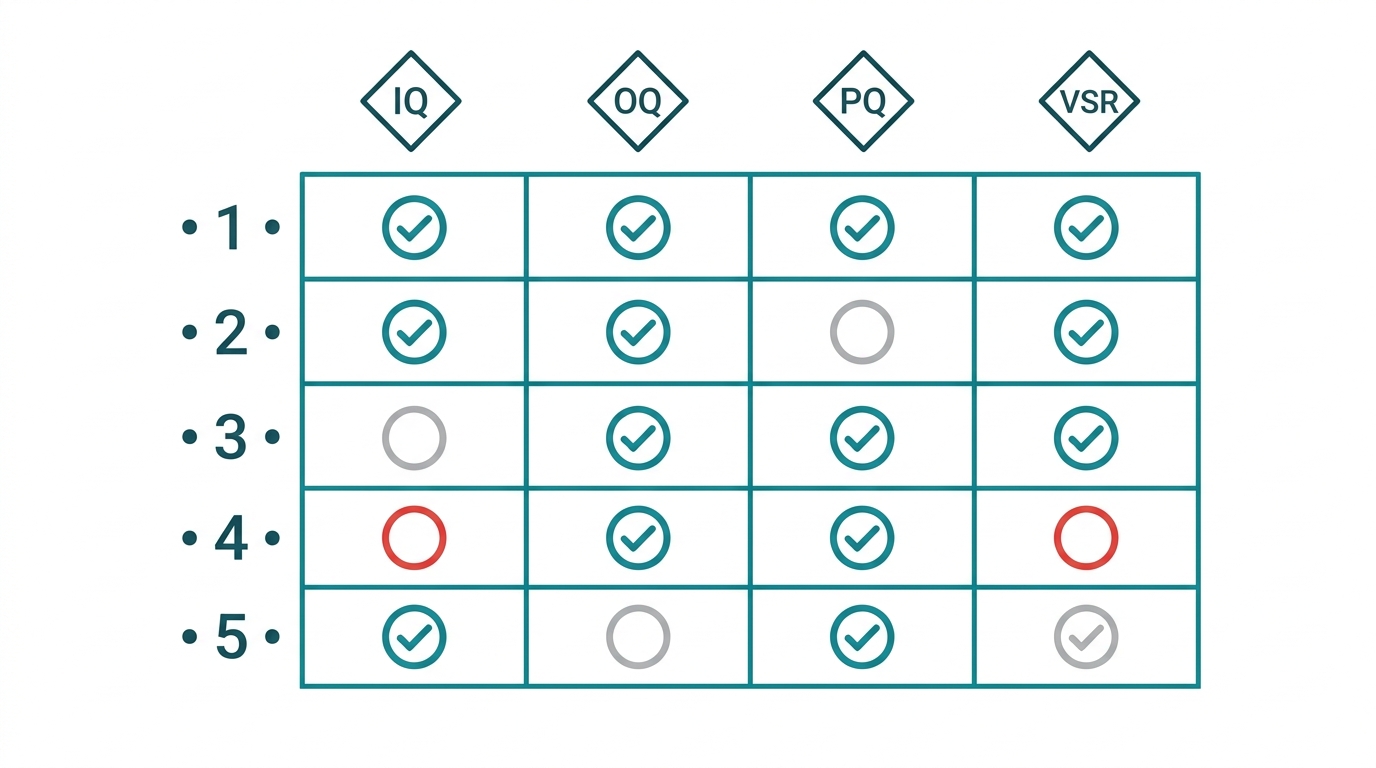
A key expectation of regulatory inspectors is the Traceability Matrix (TM). The TM is a spreadsheet or database linking every URS requirement to its functional design specification, risk level, and the specific test script line where it was verified.
| URS ID | Requirement Description | Risk Level | Design Document | Test Protocol ID |
|---|---|---|---|---|
| URS-101 | Unique user logins | High | Design Spec Section 4 | OQ-015 (Security) |
| URS-102 | Audit trail logging | Critical | DB Schema Section 2 | OQ-022 (Data Integrity) |
| URS-103 | Daily backup routine | High | IT Backup SOP v2 | IQ-008 (Backup Sync) |
A complete Traceability Matrix proves to auditors that there are no untested requirements and no undocumented code features running in production.
For engineering frameworks and custom integration blueprints relating to system design and automation validation, review our Compliance Validation & Automation Solutions.
30-Day Field Execution Plan
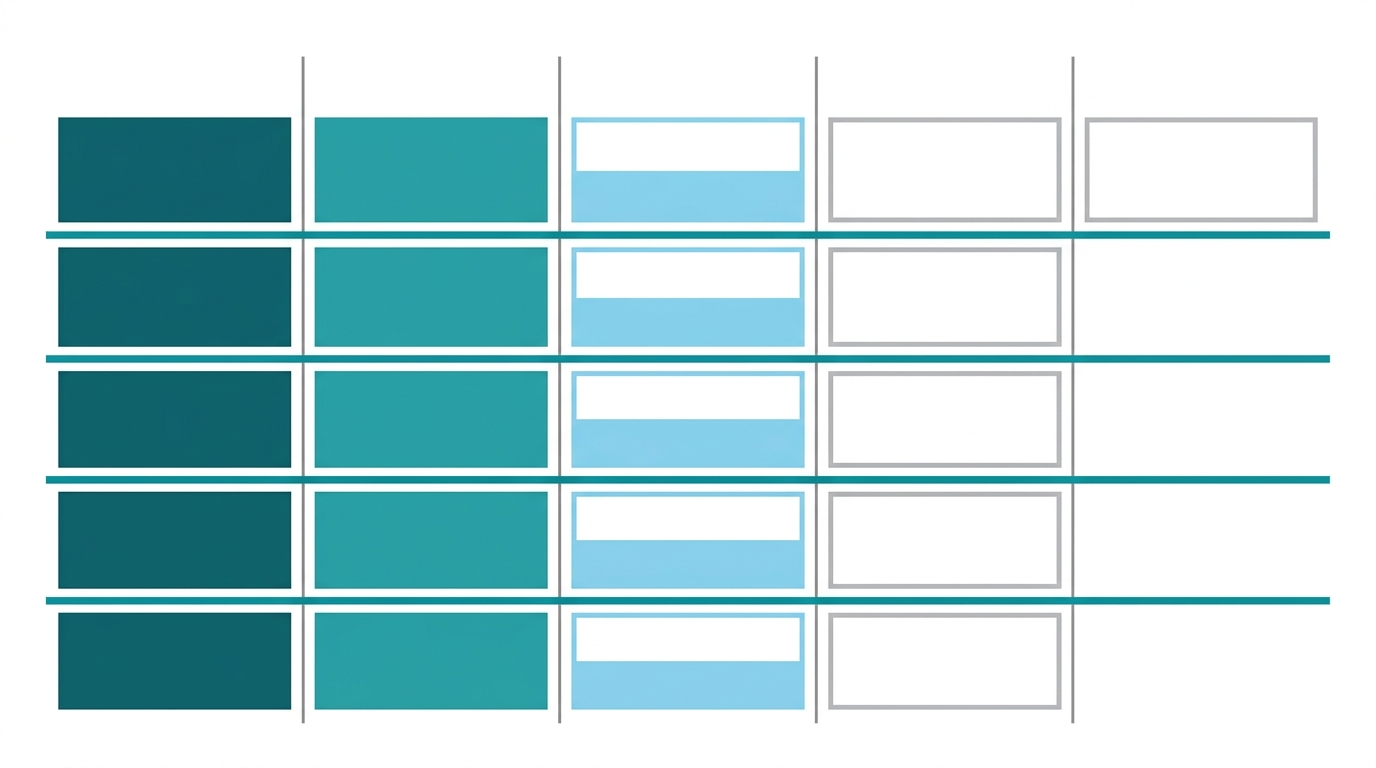
To deploy this step-by-step GxP validation process successfully on your next facility upgrade or system integration, use this 30-day workflow:
- Days 1–10 (Requirements & Risk): Author your URS. Run a 1-day risk assessment workshop with QA, automation engineers, and process operators to identify GxP hazards.
- Days 11–15 (Vendor Verification): Conduct the Design Qualification review against vendor proposals. Lock down the Validation Plan and write IQ/OQ/PQ protocols.
- Days 16–25 (Qualification Runs): Execute IQ, then OQ, and finally PQ runs. Ensure every deviation is documented immediately.
- Days 26–30 (Reporting & Handover): Close out all deviations, compile the Traceability Matrix, and sign off the Validation Summary Report.
By establishing structured checklists, clear ownership, and transparent traceability documentation, your site can transition from stressful audit preparation to a continuous state of compliance control.
Ready to validate a new automation system or need custom validation templates?
Nam Pham provides technical consulting, CSV protocol authoring, and audit preparation services to streamline validation lifecycles for pharmaceutical plants.
Download our GxP Validation Template Package or request a direct validation consultation today.
Frequently Asked Questions
What are the steps of the GxP validation process?
The GxP validation process has 8 steps: (1) User Requirement Specifications (URS), (2) Validation Plan and Risk Assessment, (3) Design Qualification (DQ), (4) Installation Qualification (IQ), (5) Operational Qualification (OQ), (6) Performance Qualification (PQ), (7) Validation Summary Report (VSR), and (8) Continuous Verification and Change Control.
What is the V-model in GxP validation?
The V-model links specification documents (left arm: URS, Functional Spec, Design Spec) to matching qualification tests (right arm: IQ, OQ, PQ). Each specification on the left has a direct testing counterpart on the right, ensuring complete traceability from requirements to evidence.
What is the difference between IQ, OQ, and PQ?
IQ (Installation Qualification) confirms correct installation of equipment or software. OQ (Operational Qualification) verifies all functions operate within specification under normal conditions. PQ (Performance Qualification) demonstrates consistent performance under real production conditions with actual materials and operators.