
GxP Compliance & Validation Playbook for Pharma Manufacturing
GxP Compliance & Validation: Program Blueprint
Pillar 1: CSV/CSA. Pillar 2: Data Integrity. Pillar 3: Change Control.
Looking for a condensed version to bookmark or share with a supplier? See the GxP Compliance Validation Playbook overview for a shorter reference companion to this full guide.
In pharmaceutical manufacturing, quality assurance teams frequently misconstrue compliance as a series of isolated testing events. They treat validation as a static hurdle to clear just before a production system goes live. This reactive approach leads to massive validation debt, systemic documentation drift, and regulatory vulnerabilities.
A true GxP compliance and validation playbook must transcend these tactical, project-centric activities. It serves as a program-level strategy. It helps site leaders, Quality Assurance (QA) directors, and automation engineers maintain a permanent state of control across facilities, utilities, equipment, and computerized systems. By establishing a robust program framework, sites can transition from stressful, audit-driven preparation to continuous, day-to-day compliance.
1. Beyond the Checklist: The Strategic Case for a Validation Program
The Trap of Point-in-Time Snapshots
A common failure mode in pharmaceutical sites is executing validation in project silos. Under this model, the site assembles a project team. They write and execute Installation, Operational, and Performance Qualifications (IQ/OQ/PQ) for a SCADA system or an autoclave. They compile the validation package, obtain QA sign-off, and disband.
This project-centric approach treats validation as a point-in-time snapshot. However, manufacturing environments are highly dynamic. Over months and years, operators perform maintenance, replace sensors, install software updates, and change operating procedures. Without a site-wide validation program, these changes introduce "validation debt." This represents the progressive gap between the system's actual operating configuration and its documented validated state.
+-------------------------------------------------------------+
|               PROJECT-CENTRIC VALIDATION                    |
|  [Design] -> [IQ/OQ/PQ] -> [VSR Sign-off] -> [Archive file] |
|                             (Static point-in-time check)    |
+-------------------------------------------------------------+
                               v
+-------------------------------------------------------------+
|                PROGRAM-LEVEL VALIDATION                     |
|  [VMP Lifecycle] -> [Change Control] -> [Periodic Review]   |
|                             (Permanent state of control)    |
+-------------------------------------------------------------+
Aligning with the Three-Stage Lifecycle Model
To prevent this drift, regulatory bodies—including the FDA and the European Medicines Agency (EMA)—have shifted their guidelines toward a lifecycle model. This is best represented by the FDA's three-stage process validation framework:
- Stage 1 (Process Design): Defines the commercial manufacturing process and identifies critical process parameters (CPPs) and critical quality attributes (CQAs).
- Stage 2 (Process Qualification): Confirms that the process design is capable of reproducible commercial manufacturing. This stage includes Design Qualification, IQ, OQ, and PQ.
- Stage 3 (Continued Process Verification): Implements ongoing monitoring during routine production to ensure the process remains in a state of control.
Computerized systems (e.g., DCS, MES, and LIMS) serve as the data engines for Stage 3. Validating computerized systems in isolation compromises data integrity. This makes the overall process validation program ineffective.
The business case for a program-level approach is clear. Under the ICH Q9(R1) (adopted January 2023) guidance, quality risk management (QRM) must evaluate product availability risks. Supply chain disruptions due to quality failures are now critical compliance concerns. A systemic validation failure that halts a packaging line or invalidates a batch record can lead to drug shortages, financial penalties, and loss of market trust.
- For a tactical, shop-floor inspection-readiness tool covering GDP, calibrations, and personnel, consult our Ultimate GxP Compliance Checklist for Pharmaceutical Sites.
- To understand the phase-by-step lifecycles of qualification (IQ, OQ, PQ) and traceability matrices, refer to our Step-by-Step GxP Validation Process Guide for Pharma Sites.
2. The Three Interconnected Pillars of GxP Compliance
Compromising one pillar collapses the entire quality structure. A sustainable validation program stands on three interconnected pillars: Computerized Systems Validation (CSV/CSA), Data Integrity (ALCOA+), and Documentation & Change Control.

Pillar 1: Computerized Systems Validation (CSV) & Computer Software Assurance (CSA)
Computerized systems validation must evolve from exhaustive, "check-the-box" documentation to risk-proportionate testing. The FDA's Draft Guidance on Computer Software Assurance (CSA) (September 2022) supports this transition. ISPE GAMP 5 Second Edition (2022) further formalizes these assurance principles.
Applying Critical Thinking (detailed in GAMP 5 Appendix M12) is the core of this approach. Instead of treating all software functions with the same validation rigor, teams focus testing on custom-configured or high-risk functions. These functions directly impact patient safety, product quality, and data integrity. CSA allows teams to leverage supplier testing and documentation for standard, non-configured platform features. This redirects resources to high-risk, custom-coded scripts or workflows.
- To learn more about the transition from traditional validation to assurance, read our CSV to CSA Validation: Pharma Transition Guide.
Pillar 2: Data Integrity (ALCOA+)
Data integrity is the foundation of regulatory trust. Regulations like FDA 21 CFR Part 11 and EU GMP Annex 11 require sites to protect electronic records against unauthorized modification, deletion, or loss. The validation program must ensure that all systems conform to the ALCOA+ principles (Attributable, Legible, Contemporaneous, Original, Accurate, plus Complete, Consistent, Enduring, and Available).
In practice, this requires configuring systems with: * Unique User Accounts: Disabling shared logins and enforcing individual credentials integrated with Active Directory. * Role-Based Access Control (RBAC): Restricting system clock modifications, recipe configurations, and database access to authorized roles. * Automated Audit Trails: Enforcing un-editable audit trails that record the old value, new value, date/time, user ID, and reason for change. * Network Time Synchronization: Synchronizing all local Programmable Logic Controllers (PLCs), Human-Machine Interfaces (HMIs), SCADA servers, and LIMS databases to a central, reliable Network Time Protocol (NTP) source to guarantee contemporaneous timestamps.
- For a complete breakdown of data integrity compliance, see our ALCOA+ Data Integrity for Pharma GMP guide.
Pillar 3: Documentation & Change Control
Guided by EU GMP Chapter 4 (Documentation), the validation program must establish standard practices for hybrid and electronic documentation. Change control is the operational shield that prevents validation drift. Any modification to a validated system—whether a physical instrument replacement, a PLC logic adjustment, or a database schema update—must undergo a formal change control impact assessment. The assessment determines if the change requires regression testing, partial re-qualification, or full re-validation before releasing the system.
Interconnection in Practice
These pillars do not operate in isolation. For example, when applying a security patch to an Electronic Batch Record (EBR) database: 1. Change Control (Documentation Pillar) must log and approve the change request, assessing the impact. 2. CSA/CSV (Testing Pillar) must perform regression testing to verify that the patch does not break existing functional blocks. 3. Data Integrity (ALCOA+ Pillar) must verify that the patch does not overwrite or corrupt historical audit trails or batch databases.
Failing to coordinate these pillars causes critical audit findings. Automation engineers must not make technical changes without updating the documents.
3. How to Structure a GxP Validation Program: Governance, VMP, and Risk-Based Prioritization
Structuring an effective site validation program requires defining clear roles, writing a comprehensive Validation Master Plan (VMP), and establishing a risk-based prioritization matrix.
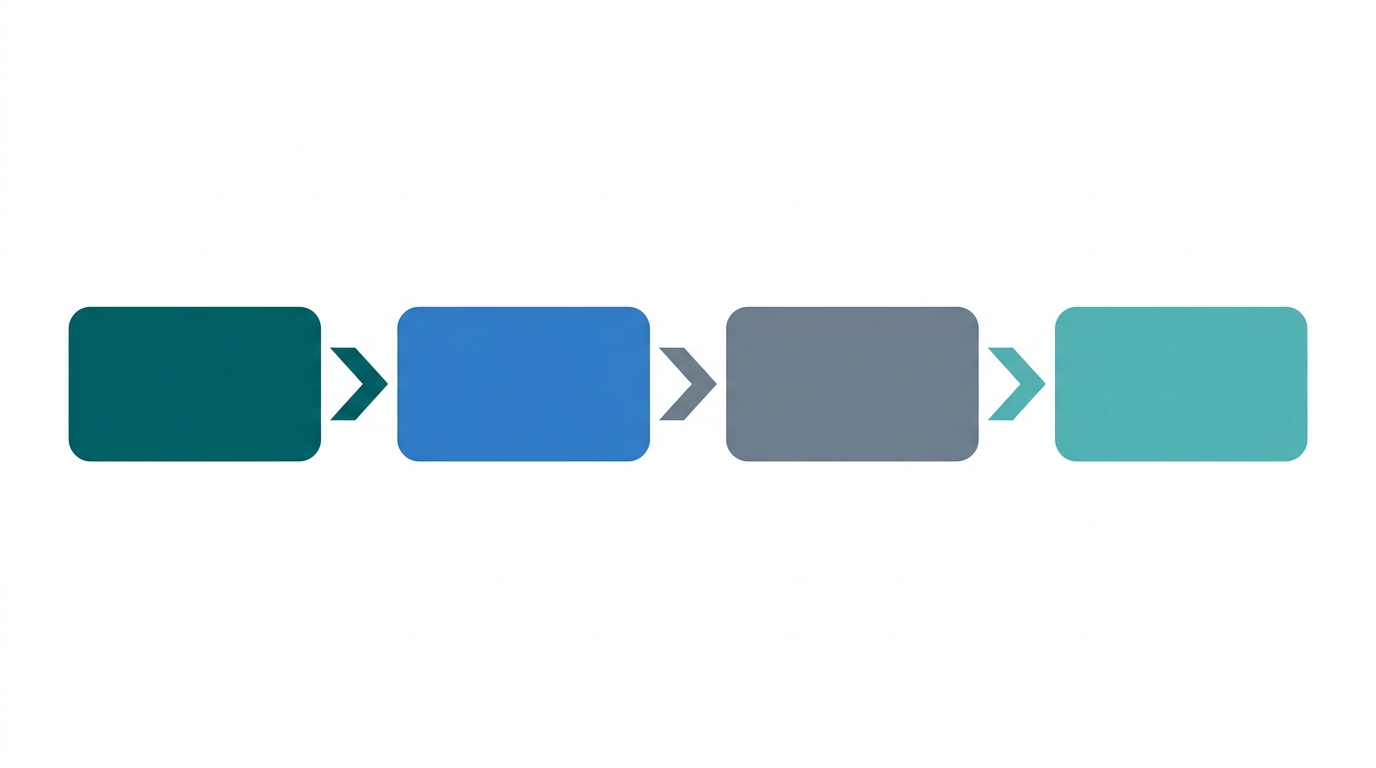
Governance and the RACI Matrix
Clear ownership prevents validation tasks from falling through the cracks. The program should define the following key roles:
- Process Owner (Business Owner): Typically from production or laboratory management. Owns the regulated process, authors the User Requirement Specifications (URS), and ensures operators run the system in compliance with SOPs.
- System Owner (Technical Owner): Typically from IT or automation engineering. Responsible for the system infrastructure, software maintenance, backups, database performance, access controls, and technical troubleshooting.
- Validation Lead: Coordinates the validation project, performs risk assessments, writes validation plans, drafts qualification protocols (IQ/OQ/PQ), and compiles the final Validation Summary Report (VSR).
- Quality Assurance (QA) / Quality Director: Serves as the independent authority. QA approves the URS, validation plans, and protocols, and signs off on the VSR, officially releasing the system for GxP commercial use.
The Validation Master Plan (VMP)
The VMP is the governing constitution of the site's validation program. The Quality Director must review the VMP annually. A robust VMP must contain: * Validation Policy: The site's commitment to compliance and the regulatory standards targeted (e.g., FDA, EMA, WHO). * Scope of Validation: The document details a comprehensive inventory of all facilities, utilities, equipment, and computerized systems. * Validation Lifecycle: We define the standard lifecycle phases, including URS, Risk Assessment, Design Qualification (DQ), IQ, OQ, PQ, and VSR. * Change Control & Deviation Management: The plan outlines standard procedures for handling technical modifications and deviations. * Revalidation & Periodic Review: The VMP establishes criteria to determine when a system must undergo periodic review. * Training Program: QA defines the qualification and training requirements for all validation executors.
Risk-Based Prioritization (GAMP 5 Software Categories)
To optimize resources, teams must scale validation intensity using quality risk management principles (ICH Q9(R1)). GAMP 5 provides a structured categorization of software to guide this effort:
- Category 1: Infrastructure Software: Operating systems, database engines, network monitoring tools (e.g., MS Windows, SQL Server).
- Validation Strategy: Teams validate Category 1 systems by verifying installation configuration and maintaining patching routines. No functional validation of the software itself is required.
- Category 3: Non-Configured Software: Off-the-shelf software and firmware controllers (e.g., standard laboratory scales, simple PLC firmware).
- Validation Strategy: Category 3 validation requires standard operational checks. Confirm correct installation (IQ) and perform standard operational testing (OQ) to verify the system meets basic operational needs.
- Category 4: Configured Software: Software packages configured to match site-specific business processes without custom code (e.g., SCADA systems, standard LIMS configurations, MES recipes).
- Validation Strategy: Category 4 systems require full life-cycle validation. Write a detailed URS, perform a functional risk assessment, verify design qualification, and execute full IQ, OQ, and PQ. Leverage supplier testing where possible to reduce local verification effort.
- Category 5: Custom Software: Bespoke applications, custom PLC coding, custom database scripts, and custom SCADA scripting.
- Validation Strategy: Category 5 demands comprehensive testing and code review. This requires full source code reviews, structural testing, and extensive functional testing across all user requirements.
4. Systemic, Program-Level Failure Modes
Pharma engineering consultancies (such as NNE, ProPharma, and CRB) routinely observe that major validation failures do not stem from individual technical testing gaps. Rather, they are caused by systemic, program-level organizational failures.
Failure Mode 1: Risk Assessment Subjectivity and Over-Classification
Many sites apply a "one-size-fits-all" approach to validation, treating low-risk utility monitoring systems with the same validation formality as critical batch-release databases. This leads to validation fatigue, where quality teams are overwhelmed by paperwork and miss critical defects. ICH Q9(R1) highlights the need to manage subjectivity in risk assessment. Programs must establish clear, data-driven hazard definitions and utilize multidisciplinary teams (production, automation, QA) to standardize risk ratings, avoiding biased or inconsistent risk classifications.
Failure Mode 2: Change Control Blind Spots (Operational Drift)
Often, automation engineers perform minor modifications—such as scaling a temperature transmitter range or adjusting a SCADA database query—under the guise of "maintenance" without triggering a change control. Over time, these undocumented modifications accumulate, leading to "documentation drift," where the validated file no longer reflects the physical or logical configuration of the system.
Failure Mode 3: "Paper-Only" Compliance (Checkbox Culture)
A major failure mode is executing validation protocols merely to obtain signatures, without truly challenging system boundaries. For example, testing an autoclave's alarms by checking that a configuration screen displays the limit, rather than physically introducing a worst-case limit condition to trigger the alarm. Inspectors from the FDA and MHRA frequently cite sites that lack evidence of worst-case testing (e.g., power loss during a critical batch step or buffer overflow in a PLC data register).
Failure Mode 4: Neglecting Stage 3 CPV and Audit Trail Review Governance
Many programs treat validation as a project with a defined end date: once the Validation Summary Report (VSR) is signed, the file is archived, and the system is ignored. However, regulators expect active monitoring. A common audit finding is the lack of a defined, routine schedule for reviewing system audit trails. Without a system-level governance procedure for periodic audit trail reviews, unauthorized changes or data overrides can go undetected for months.
5. The Validation Maturity Model for Pharma Sites
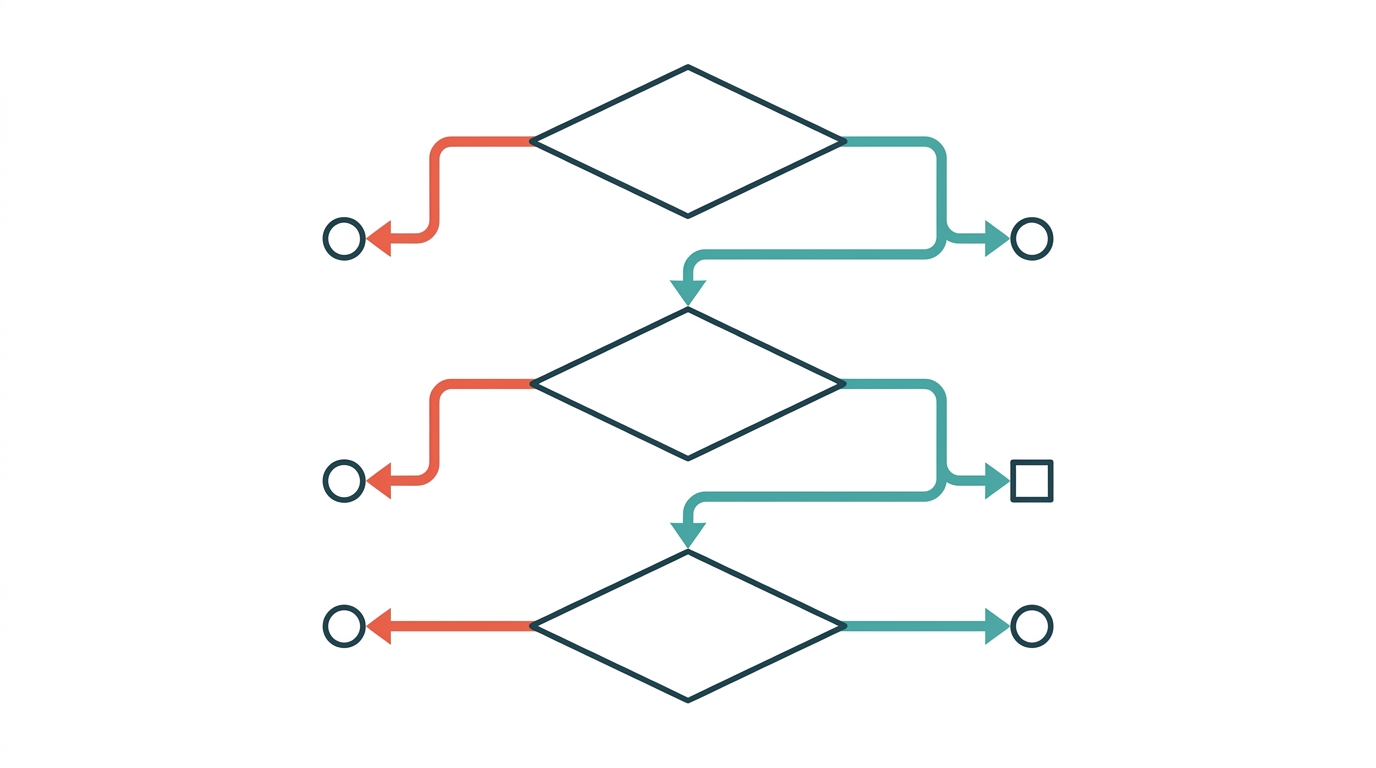
To evaluate and improve their validation program, pharmaceutical manufacturing sites can assess their current status using a 4-level maturity model.
Level 1: Reactive (Ad-hoc Compliance)
- Characteristics: Validation is treated as an emergency response to an upcoming audit or a regulatory warning letter. Documentation is generated retroactively, URS are missing, and change control is ignored.
- Risk Profile: Extreme. High likelihood of critical audit findings (FDA 483, EMA non-compliance) and product quality deviations.
Level 2: Defined (Project-Centric Compliance)
- Characteristics: Standard SOPs and IQ/OQ/PQ templates exist. Validation is executed during project commissioning but is treated as a static milestone. High validation debt exists because system maintenance, calibrations, and minor patches are poorly integrated into the lifecycle.
- Risk Profile: High. Significant risk of documentation drift and data integrity findings over time.
Level 3: Integrated (Risk-Based Lifecycle Compliance)
- Characteristics: A comprehensive VMP governs all validation. Software is classified according to GAMP 5 categories. Formality is scaled using ICH Q9(R1) risk-based principles. Change control is strictly enforced and linked to quality risk assessments. Regular audit trail reviews are scheduled and documented.
- Risk Profile: Low. The site is in a continuous state of inspection readiness, with clear ownership and traceability.
Level 4: Optimized (Continuous Quality Assurance)
- Characteristics: Fully digital validation (eValidation) integrated into the eQMS. Automated regression testing and real-time process monitoring are standard. Computer Software Assurance (CSA) principles are fully deployed. AI and advanced algorithms are qualified under structured governance frameworks.
- Risk Profile: Minimal. Compliance is a strategic business driver, ensuring product quality and preventing supply chain disruptions.
6. Modernizing for Industry 4.0: Cloud, SaaS, and AI Validation
As pharmaceutical manufacturing adopts Industry 4.0, validation programs must adapt. The July 2025 Draft Revisions published by the European Commission represent a major regulatory response to these technologies.
EU GMP Annex 11 Draft Revision (July 2025)
The draft Annex 11 represents a significant modernization, expanding from the original 2011 version (4 pages) to a comprehensive 19-page framework. It addresses the realities of modern IT/OT, specifically cloud computing and Software as a Service (SaaS).
This draft emphasizes that site operators cannot delegate compliance responsibility to cloud vendors. Playbooks must define robust vendor qualification and service level agreements (SLAs). These documents must outline backups, software updates, and data security management. The draft explicitly integrates cybersecurity into validation. The draft Annex 11 requires documented penetration testing and patch management to maintain a validated state.
- To learn how to manage and audit digital system suppliers, read our Supplier Qualification for Digital GxP Systems guide.
EU GMP Annex 22 Draft (July 2025 - Artificial Intelligence in GMP)
This new draft is the first regulatory framework addressing AI/ML in GMP environments. The draft draws a strict line between critical and non-critical GMP applications: * Critical Applications: For tasks impacting quality or safety, the draft restricts use to static, deterministic AI models. This includes inline NIR spectroscopy for API concentration and automated visual inspections. The draft excludes adaptive, self-learning, or generative AI models from critical GxP functions due to the unpredictability and lack of explainability. * Non-Critical & Support Applications: Sites may use adaptive, probabilistic, or generative AI (like LLMs) for non-critical support functions. These require a strict 'human-in-the-loop' review. Qualified personnel must review and take responsibility for all AI outputs.
- For insights into validating advanced control systems and automated batch records, see our EBR Validation & Deployment for Pharma GxP guide.
7. Implementation Roadmap: Launching Your Site Playbook
To implement this playbook successfully, sites should adopt a structured 90-day transition plan:
[Days 1-30: Alignment & Audit] -> [Days 31-60: Standardize & Pilot] -> [Days 61-90: Scale & Review]
Days 1–30: Alignment & Inventory Audit
- Days 1–30 (Inventory & RACI): Compile the site system inventory, assign System and Process Owners, and align the VMP with GAMP 5 Second Edition.
Days 31–60: Standardize Risk & Pilot CSA
- Days 31–60 (Risk & Pilot): Establish a standardized risk matrix, pilot the CSA approach on a configured Category 4 system, and audit NTP time synchronization.
Days 61–90: Scale & Operational Review Loop
- Days 61–90 (Change & Drills): Deploy the new change control workflow, establish the audit trail review schedule, and run monthly retrieval drills.
Need assistance with GxP compliance auditing or software validation?
Nam Pham offers specialized engineering and consulting services for computerized systems validation (CSV), automation architecture audits, and database data integrity configuration.
Contact Nam Pham today to schedule a detailed GxP compliance audit, software system evaluation, or to consult on validation template packages.
Frequently Asked Questions
What is the purpose of a Validation Master Plan (VMP) at the program level?
The VMP is the central governing document that defines a site's validation scope, organizational responsibilities, validation lifecycle methodology, and revalidation schedules. It ensures that all validation activities are executed in a standardized, compliant manner across the entire facility.
How does Computer Software Assurance (CSA) differ from traditional Computerized Systems Validation (CSV)?
CSV focuses on generating exhaustive documentation for all software features, leading to high paperwork overhead. CSA prioritizes critical thinking (GAMP 5 Appendix M12) and risk-based testing, focusing validation efforts on custom and high-risk functions while leveraging supplier testing and documentation for standard, low-risk platform features.
Can generative AI or LLMs be used in critical GMP steps under the draft EU GMP Annex 22?
No. The July 2025 draft of EU GMP Annex 22 restricts critical GMP applications (such as automated batch release or inline process controls) to static, deterministic AI models. Probabilistic, adaptive, or generative AI models are permitted only in non-critical support functions under a strict "human-in-the-loop" review model.
Sources
- ISPE GAMP 5 Guide: A Risk-Based Approach to Compliant GxP Computerized Systems (Second Edition, July 2022): ISPE Publications
- ICH Guideline Q9(R1) on Quality Risk Management (January 2023): ICH Database
- FDA Draft Guidance: Computer Software Assurance for Manufacturing and Quality System Software (September 2022): FDA Guidance
- European Commission Public Consultation: Revision of Annex 11 (Computerised Systems) and Chapter 4 (Documentation) of the GMP Guidelines (July 2025): European Commission Consultation
- European Commission Public Consultation: Draft EU GMP Annex 22 on the use of Artificial Intelligence in the GMP Environment (July 2025): European Commission GMP Guidelines
Author Profile
Nam Pham (Pham Duc Phuong Nam) — Pharmaceutical Automation & Smart Factory Specialist * MEng Industrial Automation (HUST) · ISA CAP · ISPE (2018) · PDA (2019) * 11+ years Pharmaceutical Automation & Validation Engineering, APAC region (2015–present) * Expertise: EU GMP Annex 11, FDA 21 CFR Part 11, CSV/CSA, ALCOA+, GAMP 5 (2nd Ed. 2022), IQ/OQ/PQ qualification, ICH Q9(R1), ICH Q10, CAPA/Deviation, ISA-95, MES/SCADA/EMS * Trust: phamducphuongnam.com (VI) | nampham.net (EN)